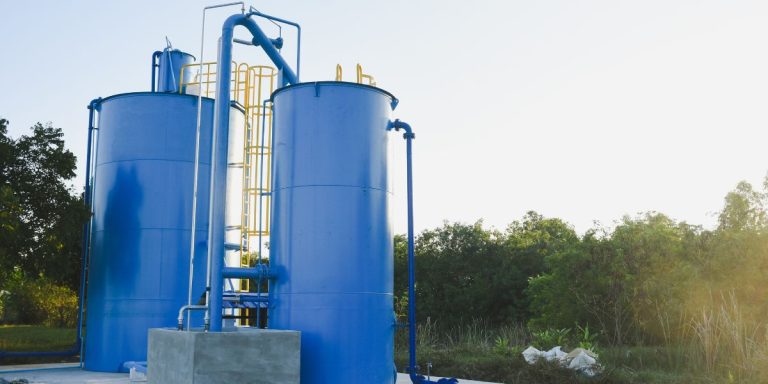
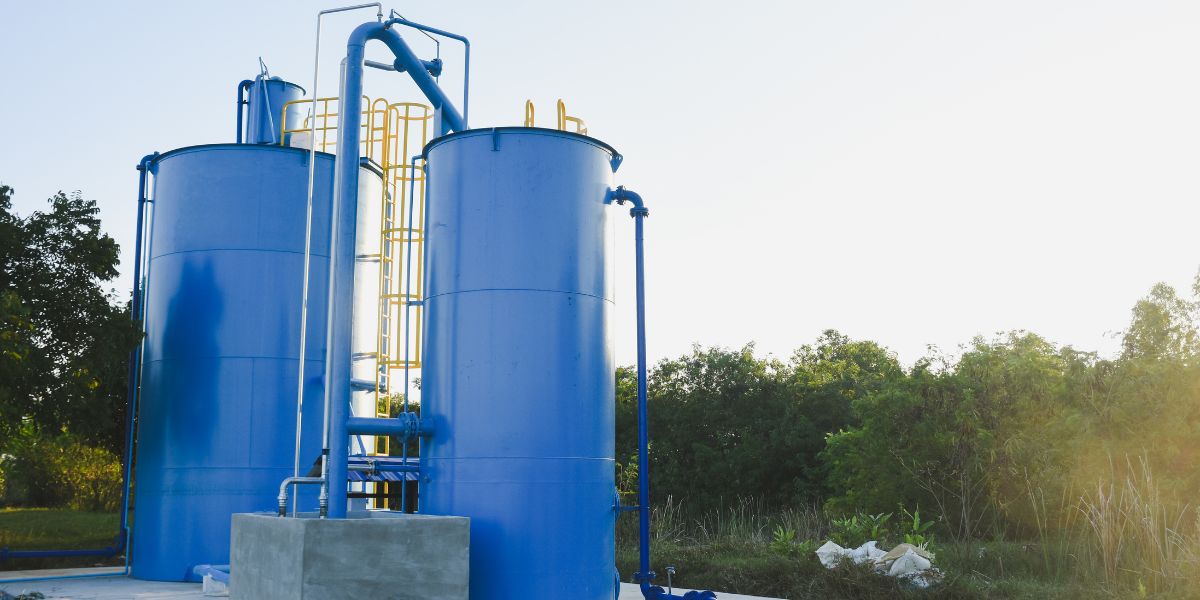
For rural homeowners, cottage owners, farms, and small businesses, water is one of the most important systems on the property. Unlike municipal water, a private well system depends on several connected parts working properly together. The well, pump, pressure tank, treatment equipment, plumbing, and ongoing maintenance all affect the quality and reliability of the water supply.
When the system is working well, it often goes unnoticed. Taps run, showers work, appliances fill, and daily routines continue without interruption. But when pressure drops, water quality changes, the pump struggles, or the well cannot keep up with demand, the entire property can be affected.
This is why rural water systems should not be treated as an afterthought. For property owners looking for private well water services, professional support can help identify problems, improve performance, and keep the system better prepared for everyday use.
Private Wells Are Different From Municipal Water
A private well gives property owners independence, but it also brings responsibility. With municipal water, testing, treatment, and delivery are usually managed by the local system. With a private well, the property owner must pay closer attention to water quality, equipment performance, pressure, and maintenance.
Every well is different. Two properties in the same area may have very different water conditions. The depth of the well, the surrounding rock or soil, groundwater movement, seasonal changes, and property demand can all affect the system.
This means that well water issues should not be guessed at. A solution that works for one property may not be right for another. Proper assessment matters because water systems need to be understood as a whole.
A good private well plan begins with knowing the condition of the well and the needs of the property.
Water Quality Should Be Tested and Understood
Water can look clear and still have issues that need attention. Some concerns may be easy to notice, such as staining, odour, sediment, hardness, or unusual taste. Others may require testing to identify properly. This is why water quality should be reviewed carefully, especially when buying a rural property, opening a seasonal cottage, or noticing changes in the water.
Well water can be affected by minerals, sediment, organic matter, nearby land conditions, and the natural characteristics of the groundwater. Some problems may affect comfort and appearance, while others may affect the performance of fixtures, appliances, and plumbing.
Water treatment should always be based on the actual water condition. Guessing can lead to equipment that is too small, unnecessary, or not suitable for the problem. A proper test can help guide the right treatment approach.
Understanding water quality gives property owners more control over their system.
Pressure Problems Can Point to Several Issues
Low or inconsistent water pressure is one of the most common frustrations for private well owners. It can make showers weak, laundry slower, dishwashing less effective, and everyday water use inconvenient. However, pressure problems can come from several different causes.
The pump may be aging or undersized. The pressure tank may not be working properly. Filters may be clogged. Plumbing may be restricting flow. The well itself may not be producing enough water. In some cases, the system may have been designed for a smaller household or lower demand.
Because there are several possible causes, pressure problems should be diagnosed carefully. Replacing one part without understanding the full system may not fix the issue.
Good water pressure depends on the well, pump, tank, plumbing, and treatment equipment all working together properly.
The Pump Is Central to the System
The pump is one of the most important components in a private well system. It moves water from the well into the property and helps supply daily use. When the pump begins to fail, the signs can be stressful.
A homeowner may notice reduced pressure, frequent pump cycling, unusual noises, air in the lines, inconsistent flow, or complete loss of water. These problems can interrupt daily life quickly because the property depends on that pump for water access.
Pump issues should be handled with care. Sometimes the pump itself is the problem, but other times the issue may involve wiring, controls, the pressure tank, or the well. A proper diagnosis can help avoid unnecessary replacement and make sure the correct repair is completed.
A dependable pump system helps protect the comfort and function of the entire property.
Pressure Tanks Help Protect Pump Performance
Pressure tanks are often overlooked because they are not always visible during daily water use. However, they play an important role in helping the water system operate smoothly. A pressure tank helps regulate pressure and reduces how often the pump needs to turn on and off.
When a pressure tank is not working properly, the pump may cycle too frequently. This can place strain on the equipment and lead to inconsistent pressure. Property owners may notice short bursts of pressure, changes in flow, or the pump running more often than expected.
A pressure tank should be reviewed when diagnosing water pressure or pump concerns. It is part of the larger system, and its condition can affect performance.
Keeping the tank in good working order can help improve reliability and reduce unnecessary stress on the pump.
Water Treatment Should Match the Property
There is no single treatment system that works for every private well. Some properties may need sediment filtration. Others may need help with hardness, staining, odours, or specific water quality concerns. Some may need treatment for a full-time home, while others may need a different approach for a seasonal cottage or rural business.
The right water treatment system should be chosen based on testing, household use, water demand, and the goals of the property owner. A family home may need a system that supports daily showers, laundry, cooking, and cleaning. A cottage may need equipment that works well with seasonal use. A farm or business may require a different level of capacity.
Proper sizing also matters. A system that is too small may not perform well. A system that is too complex may be more than the property needs.
Good treatment planning helps improve water use while avoiding unnecessary equipment.
Well Drilling Requires Site-Specific Knowledge
A new well is a major part of building or improving a rural property. Whether the property is a home, cottage, farm, or business, well drilling should be planned carefully. The location, access, depth, groundwater conditions, expected demand, and long-term property plans all matter.
A well is not only about finding water. It must be suitable for the way the property will be used. A small seasonal cottage may have different needs than a full-time household. A farm or larger property may require more capacity. A future addition, extra bathroom, or increased occupancy can also affect water needs.
Professional drilling support helps property owners make decisions based on local conditions and practical requirements. Good planning at the beginning can reduce problems later.
A well should be built to support the property’s needs for the long term.
Seasonal Properties Need Special Attention
Cottages and seasonal homes often have unique water system needs. A property may sit unused for part of the year, then experience heavy demand during weekends, holidays, or summer months. This pattern can create different maintenance concerns than a year-round residence.
Before opening a seasonal property, owners may need to check water quality, pressure, pump performance, filters, treatment equipment, and plumbing. If the system has been inactive for months, it is important to make sure everything is working properly before regular use begins.
Seasonal properties may also experience changes in demand when guests visit. A system that works for one or two people may struggle when several people are staying at the cottage.
Planning ahead helps avoid water problems during the times when the property is being enjoyed most.
Low-Yield Wells Need Careful Review
Some rural properties may have wells that do not produce enough water for current needs. This can be especially frustrating during busy periods, dry seasons, or when household demand increases. Low yield can affect showers, laundry, cleaning, outdoor use, and general daily routines.
When a well is not keeping up, the cause should be reviewed carefully. The issue may involve the well itself, the pump, the pressure system, household demand, storage needs, or system design. In some cases, specialized services may be considered to improve water availability, depending on the property and well conditions.
The important point is that low water supply should not be addressed through guesswork. Understanding the cause helps guide the right solution.
A professional review can help property owners make better decisions about improving supply and reliability.
Older Systems May Need Upgrades
Many rural properties have older water systems that still work but may not perform as well as they should. A pump may be near the end of its service life. A pressure tank may not support current demand. Treatment equipment may be outdated. The system may have been designed for different usage than the property has today.
Older systems can often be improved with targeted upgrades. This may involve replacing equipment, improving pressure, updating treatment, or reviewing the full setup to find weak points. Not every system needs to be replaced completely, but older components should be evaluated when problems appear.
Upgrades can make daily water use more reliable and comfortable. They can also help prevent sudden failures that disrupt the property.
A practical upgrade plan focuses on what the system actually needs.
Rural Water Systems Benefit From Proactive Care
Waiting until there is no water can create unnecessary stress. A proactive approach is usually better for private well owners. This means paying attention to changes in pressure, taste, smell, clarity, pump behaviour, and treatment performance. It also means testing water when needed and servicing equipment before small issues become larger problems.
Proactive care can help property owners avoid emergencies, protect equipment, and maintain better water quality. It also gives them more confidence because they understand their system instead of reacting only when something goes wrong.
For rural properties, water system maintenance should be treated as part of regular property care. Just as roofs, furnaces, septic systems, and electrical systems need attention, private wells and pumps also need proper support.
A reliable water system makes rural living easier and more comfortable.
Reliable Water Support Makes Daily Life Easier
Water touches nearly every part of life on a rural property. It is needed for drinking, cooking, bathing, laundry, cleaning, gardens, animals, and business operations. When the water system is unreliable, the entire property feels less functional.
Professional support can help property owners understand the full system and make better decisions about repairs, treatment, pressure, pumps, and upgrades. Instead of guessing at the cause of a problem, the system can be reviewed carefully.
Property owners can visit https://mackinnonwatersundridge.com/ to learn more about well water support, treatment, and related services for rural properties.
A dependable water system is not only about convenience. It is part of making a rural property comfortable, usable, and ready for everyday life.
Building a Better Well Water Maintenance Plan
Private well systems need ongoing care. Water quality, pressure, pump performance, well yield, treatment equipment, and system age can all affect how well the property functions. When these parts are maintained properly, rural homeowners can enjoy more reliable water and fewer unexpected problems.
The best approach is to understand the system before making changes. Testing, inspection, professional advice, and timely repairs all help property owners choose the right solutions. This reduces wasted money and helps avoid repeated issues.
Whether the property is a full-time home, seasonal cottage, farm, or rural business, dependable water matters every day. With the right planning and support, a private well system can be easier to manage and better prepared for long-term use.